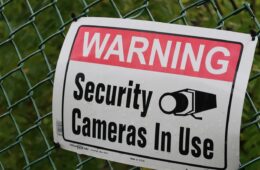
Security cameras are legal in New South Wales, and most homes and businesses can install them without any approval. But there are rules about where cameras can point, whether they can record sound, what employers must tell staff, and who is allowed to install them for you. This guide sets out the laws that apply in NSW in plain English so you can install cameras with confidence. It is general information, not legal advice; if your situation is unusual, speak to a solicitor.
The four laws that matter
- Surveillance Devices Act 2007 (NSW) governs optical (video) and listening (audio) devices and is the main law for homes.
- Workplace Surveillance Act 2005 (NSW) sets out what employers must do before monitoring staff.
- Privacy Act 1988 (Cth) and the Australian Privacy Principles apply to businesses with annual turnover above $3 million and some smaller businesses such as health providers.
- Security Industry Act 1997 (NSW) controls who can install, repair and maintain security equipment for a fee.
Cameras on your own home
You may install cameras on your own house and land without a permit. The key restrictions are:
- Do not point cameras into a neighbour’s private areas. A camera that takes in the footpath or the street is fine. A camera aimed at a neighbour’s bedroom window, bathroom or backyard where they would reasonably expect privacy is not, and can lead to complaints to police or the Local Court.
- Be careful with audio. The Surveillance Devices Act makes it an offence to record a private conversation you are not part of without consent. Most home cameras have microphones. Either disable audio on cameras that cover shared areas or accept that recording a conversation between two visitors at your gate could be unlawful.
- Strata and apartments: anything mounted on common property, including external walls, balconies in many schemes, and hallways, needs the owners corporation’s approval. Cameras inside your own lot are your decision.
- Rentals: tenants need the landlord’s written consent for anything that involves drilling or cabling. Landlords cannot install cameras inside a tenanted home.
Cameras in a business
Businesses have more obligations because cameras will record staff, customers and contractors.
Staff must be notified
Under the Workplace Surveillance Act, an employer must give employees at least 14 days’ written notice before camera surveillance starts, stating what will be monitored, how, when and whether it is ongoing. New employees must be notified before they start. Cameras must be clearly visible and there must be signs at every entrance to the monitored area. Covert surveillance of staff requires a Magistrate’s authority and is rare.
Some places are off limits
Cameras are prohibited in change rooms, toilets, showers and bathing facilities. Staff break rooms are not prohibited but are a poor choice if you want a cooperative workforce.
Customers and the public
Signage at the entrance stating that CCTV is in operation satisfies most obligations for retail shops, medical centres and warehouses. Businesses covered by the Privacy Act should have a privacy policy that mentions CCTV, store footage securely, keep it only as long as needed, and release it only to police or on lawful request.
Audio again
Recording conversations in a business is the most common breach we see. Unless there is a clear reason and clear signage, we configure business cameras with audio disabled.
Who is allowed to install your cameras?
This is the part most people do not know. In NSW, anyone who sells, installs, maintains, repairs or services security equipment for a fee must hold a Class 2C security licence, and the business must hold a master licence issued by the NSW Police Security Licensing and Enforcement Directorate. An electrician or handyman without that licence cannot lawfully install your CCTV system, even if they are competent with the wiring. Licence holders are police-checked, and their work is covered by insurance requirements. Mac-Tek Telecom operates under Master Licence No. 100034, and every technician on our team holds the relevant individual licence.
Number plate recognition
ANPR cameras at driveways, car parks and gates are lawful in NSW for access control and incident investigation. Businesses should mention it in their privacy policy and not use the data for anything beyond security and access.
Releasing footage
You can hand footage to NSW Police to assist an investigation. Sharing footage of an identifiable person on social media to “name and shame” can expose you to defamation and privacy complaints, even if the footage shows a crime. Give it to police instead.
A compliance checklist
- Cameras cover your property and public areas only, not neighbours’ private spaces.
- Audio disabled unless you have a specific, signposted reason to record it.
- Business: staff notified in writing 14 days before switch-on; signs at every entrance; no cameras in change rooms or toilets.
- Strata or rental: written approval obtained before installation.
- Installer holds a NSW security licence and the business holds a master licence.
- Footage stored securely, retained for a set period, and released only to police or on lawful request.
Frequently asked questions
Can my neighbour’s camera film my backyard?
It should not be aimed there. Raise it with them first, and if that fails contact NSW Police or seek an order through the Local Court under the Surveillance Devices Act.
Do I need signs at home?
No. Signs are a workplace and business requirement, though a sign at home is a useful deterrent.
How long can I keep footage?
There is no fixed period for homes. Businesses should keep footage only as long as reasonably needed, commonly 30 to 90 days, unless it relates to an incident.
Mac-Tek Telecom designs and installs compliant CCTV systems for homes and businesses across Western Sydney, including Penrith, Parramatta and Blacktown. Book a free site assessment and we will place cameras where they are effective and lawful.
Related guides: Do you need a licence to install CCTV or alarms in NSW? · CCTV for strata buildings in NSW: approvals, privacy and costs